
Arc Fault (AFCI) Breaker Keeps Tripping? Causes and Fixes

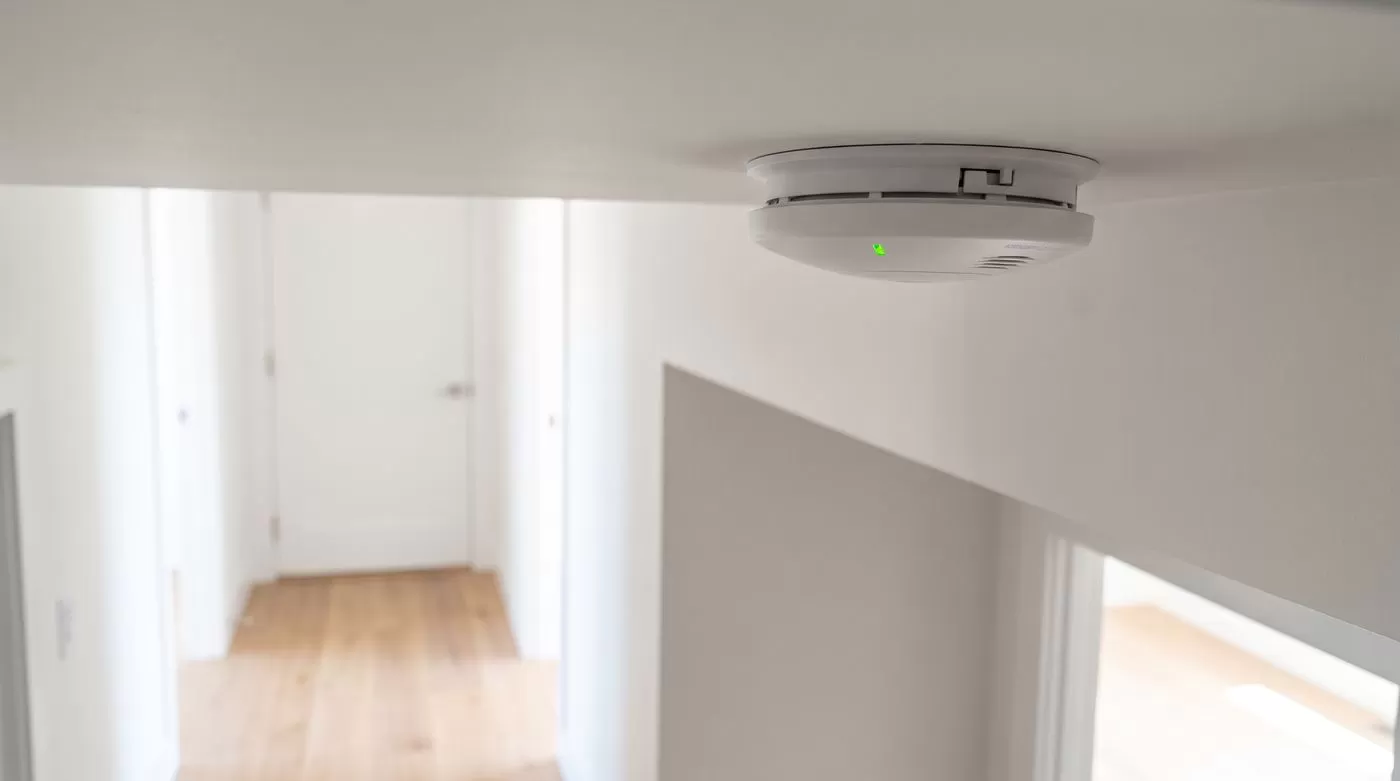
An arc fault (AFCI) breaker trips when it detects the electrical signature of arcing in a circuit, and sometimes when it only thinks it does. The most common causes of repeated trips are a damaged cord or appliance, a loose connection, a shared neutral, or a particular load such as an older vacuum or a motor. Unplug everything on the circuit, reset the breaker, and add devices back one at a time to see which one triggers it.
Reviewed by John Ihle, MN Master Electrician AM005101 · Three Rivers Electric
What an arc fault breaker actually does
A regular breaker protects against overloads and short circuits. It does not notice a damaged wire that is sparking at low current. An arc fault circuit breaker, also called an AFCI circuit breaker, monitors the circuit for the high-frequency pattern of arcing and shuts power off before that arc can heat up surrounding material. That is why it is required on bedroom, living area and kitchen circuits in modern homes.
The same sensitivity is why these breakers can be frustrating. They are watching for a pattern, and some normal equipment produces patterns that look similar. A tripping AFCI is either catching a real problem or reacting to a device on the circuit. The job is to figure out which.
Common reasons an AFCI breaker keeps tripping
| Cause | What it looks like | Typical fix |
|---|---|---|
| Damaged cord or plug | Trips when a lamp, fan or charger is plugged in | Replace the cord or device |
| Loose connection at an outlet, switch or splice | Trips at random, sometimes with a buzzing or warm cover plate | Electrician tightens or repairs the connection |
| Shared neutral (multiwire circuit) | Trips immediately on reset, even with nothing plugged in | Use a two-pole AFCI breaker made for multiwire circuits, or rewire |
| Neutral touching ground, or neutrals from two circuits mixed | Trips as soon as the load turns on | Electrician corrects the neutrals at the panel and boxes |
| Motor-driven appliance | Trips when a vacuum, treadmill, mixer or power tool starts | Move the appliance to a different circuit or replace it |
| Nail or staple through a cable | Trips after remodeling or hanging a picture | Electrician finds and repairs the damaged cable |
| Defective or old breaker | Trips with no identifiable cause | Replace the breaker |
Shared neutrals
This one catches many homeowners and even some installers. A shared neutral, also called a multiwire branch circuit, uses one neutral for two hot circuits. An ordinary AFCI breaker on one leg sees current on the neutral that did not come from its own hot and treats it as a fault. Industry guidance notes that most AFCIs do not work properly on multiwire circuits, and some manufacturers make special two-pole AFCIs for them (International Association of Electrical Inspectors). If you are replacing a breaker and the circuit has a shared neutral, tell your electrician before the swap.
Inadvertently grounded neutrals
If a neutral touches ground or a metal box somewhere on the circuit, the AFCI sees current leaking where it should not. This often shows up after a DIY outlet replacement or a remodel. Because it involves live wiring and the panel, it is a job for a licensed electrician.
Appliances that produce false signals
Brush-type motors and some electronic power supplies generate electrical noise that resembles arcing. Older vacuums and certain tools are the usual suspects. Newer breakers are better at telling the difference, but an old appliance on a new breaker can still cause trouble. If a specific device trips the breaker every time, test it on a different circuit.
A safe way to diagnose it yourself
You can do the following without opening anything:
- Turn off or unplug everything on the circuit, including power strips, chargers and anything plugged into a ceiling fan or light.
- Reset the breaker by pushing it fully to off and then on. If it trips right away with nothing connected, stop. That points to a wiring problem, not an appliance.
- If it holds, plug in devices one at a time and wait a few minutes after each.
- When the breaker trips, note which device was last plugged in and test that device on another circuit. If it trips there too, replace the device.
- Use the breaker’s own test button to confirm the breaker still works. It is the proper test for the device itself.
If the breaker trips with nothing plugged in, if it trips and you smell burning, or if a plate or outlet is warm, stop and call an electrician. Do not open the panel or replace the breaker yourself. Panel work is a hazard even with the main breaker off, because the service conductors stay live, and Minnesota requires permits and licensed electricians for most panel work.
Our guides on why breakers keep tripping and tripping breaker diagnosis in the Twin Cities walk through overloads and short circuits, which are different from AFCI trips.
Where AFCI protection is required
Under the 2023 National Electrical Code, which Minnesota uses, AFCI protection applies to newly installed 120-volt, 15- and 20-amp branch circuits in dwelling spaces such as kitchens, laundry areas, living rooms, bedrooms, closets and hallways. The City of Saint Paul’s inspection guidance describes it as applying to new or extended circuits and to new outlets on new branch wiring in existing areas. It also notes that replacing a receptacle in these areas generally requires AFCI protection through an AFCI receptacle or a combination-type AFCI breaker (City of Saint Paul DSI — AFCI Protection). Check with your local building department, since enforcement details vary by city.
For a plain-language comparison of the breaker types, see single-pole, double-pole, AFCI and GFCI breakers explained.
Older homes and retrofit headaches
Many Twin Cities homes were built long before AFCIs existed. Adding an AFCI breaker to an old circuit can expose problems the old breaker never revealed: shared neutrals, neutrals spliced together in a junction box, ungrounded wiring, brittle insulation and old devices. The AFCI did not cause these problems. It found them.
A few specific issues come up often in older homes:
- Shared neutrals in older kitchens and basements. Common where two circuits were run on one cable.
- Cloth or brittle insulation. Cracking insulation can arc under flex or vibration.
- Old receptacles. Worn contacts can spark when a plug is inserted.
- Remodel additions. New outlets spliced into old circuits sometimes have neutrals crossed with another circuit.
Replacing an old breaker with an AFCI is not always a simple swap. A licensed electrician can trace the circuit, correct the neutrals and install the right breaker for the panel brand. Panels from different manufacturers use different breakers, so never force a mismatched breaker into a panel.
Need a licensed electrician in the Twin Cities? Call Three Rivers Electric at 651-418-1476 or request a quote. We pull the permits and handle inspections so the work is done to code.
Frequently asked questions
Why does my arc fault breaker keep tripping with nothing plugged in?
If it trips with everything unplugged, the cause is in the wiring: a loose connection, a damaged cable, a shared neutral, or a neutral touching ground. This needs a licensed electrician to trace the circuit. Do not keep resetting it, and do not open the panel yourself.
What is the difference between an AFCI breaker and a regular breaker?
A regular breaker trips on overloads and short circuits. An AFCI breaker also detects the signature of electrical arcing, such as from a damaged cord or loose connection, and shuts off power before the arc can start a fire. Most AFCIs also provide overload and short-circuit protection.
Can a shared neutral make an AFCI trip?
Yes. A multiwire circuit uses one neutral for two hot legs, and a standard AFCI on one leg sees the neutral current as a fault. Electrical inspector guidance notes that most AFCIs do not work properly on multiwire circuits, though two-pole AFCIs exist for them.
Is it safe to replace an AFCI breaker myself?
No. Working in the panel exposes live service conductors even with the main breaker off, and the wrong breaker type or brand can create a fire hazard. In Minnesota, most panel work requires a permit and a licensed electrician. Call a professional.
Are AFCI breakers required in Minnesota homes?
Minnesota adopted the 2026 NEC for permits filed on or after August 17, 2026 (earlier permits follow the 2023 NEC); both editions require AFCI protection on newly installed 120-volt, 15- and 20-amp branch circuits in most living spaces, bedrooms, kitchens and laundry areas. Replacing receptacles in those areas generally requires AFCI protection too. Your local building department confirms the details.
Sources
- IAEI Magazine — What should we do if we experience a nuisance trip on a UL Listed AFCI?
- City of Saint Paul DSI — AFCI Protection (2023)
- MN Department of Labor and Industry — Electrical Fires and Arc-Fault Circuit Interrupter Protection (2023 NEC)
Three Rivers Electric is a veteran-owned, family-run Twin Cities electrical contractor (MN license EA761814). We pull the permit, do the work to code and stand behind it.
Get a free quoteCall 651-418-1476