Hardwired Smoke and CO Detectors in Minnesota: Code, Costs, and Install Process

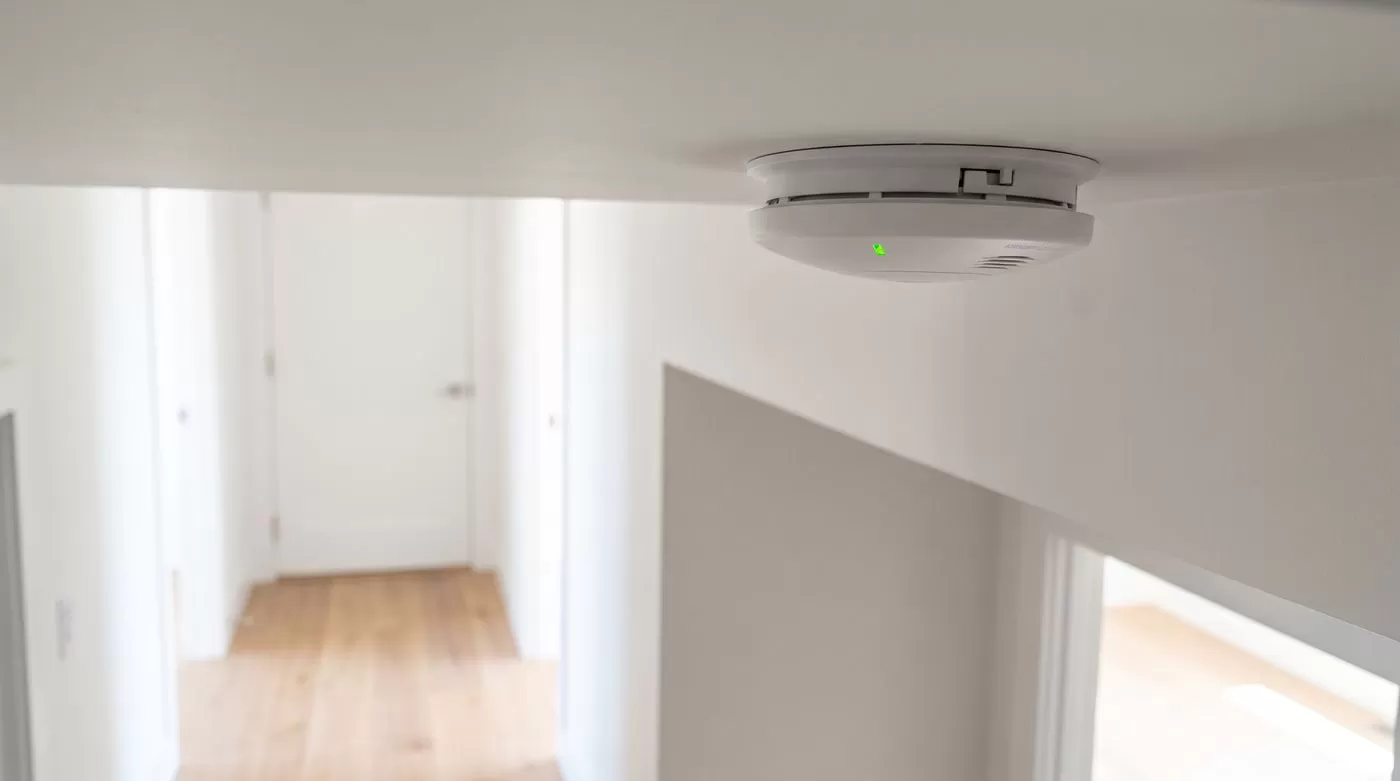
Minnesota electrical and building code requires hardwired, interconnected smoke and CO detector systems in new construction and any major remodel. Battery-only alarms are legal for existing homes that haven’t been remodeled, but they fail quietly — dead batteries, missing units, alarms that don’t talk to each other. Hardwired interconnected systems are the gold standard, and the install is cleaner than most homeowners assume. Here’s what’s required, what it costs, and what to expect during install.
What Minnesota Code Actually Requires
Per Minnesota state building code and the National Fire Protection Association 72 standard, smoke detectors are required on every level of a residence, inside every bedroom, and outside every sleeping area in the immediate vicinity. CO detectors are required within 10 feet of every bedroom and on every level with a fuel-burning appliance (gas furnace, gas range, fireplace). Combined smoke/CO units satisfy both requirements where they overlap.
For new construction and any major remodel (one that requires a permit), all those detectors have to be hardwired (powered from the electrical system) AND interconnected (when one goes off, all of them do). Battery-only alarms aren’t acceptable. The interconnection means a smoke detector in the basement that smells smoke triggers every alarm in the house — including the one outside your bedroom door at 3 AM. That’s the feature that saves lives.
Install Process: 2-4 Hours, No Drywall Destruction
We install hardwired interconnected smoke/CO systems in 2-4 hours for a typical 2-story home with 6-10 detectors. The wire run uses existing attic and basement pathways and the detectors themselves replace the existing battery-only units in most cases — same ceiling locations, no new drywall patches needed. We pull power from the closest existing circuit and daisy-chain the detectors using their interconnect wiring.
We use First Alert and Kidde detectors most commonly — both are UL-listed, both have 10-year lithium battery backup for power outages, and both have integrated CO sensors on the combo units. The interconnect wire is a standard 14/3 cable; the detectors hard-wire into 120V household power. Each detector gets tested after install. Customers get a written summary of where every detector is and when each was installed (so you know when to swap them in 10 years).
Why Hardwired Beats Battery Every Time
Three failure modes for battery-only alarms: dead battery never replaced (most common — studies show 25-40% of battery-only alarms in older homes have dead batteries or are missing altogether), the alarm chirps and someone removes the battery to silence it (and never replaces), and the alarm is more than 10 years old (UL recommends replacement at 10 years regardless of battery status because the sensor degrades).
Hardwired interconnected detectors solve all three. Power is always present from household wiring. The 10-year lithium battery backup activates only during outages. The interconnection means a single detector failure doesn’t leave you unprotected — every other one in the house is still on the same alarm circuit. Property managers especially benefit: a tenant who removes a battery still has a working interconnected alarm because the rest of the network keeps working.
Frequently Asked Questions
How often should I replace smoke detectors?
Every 10 years, regardless of battery status. The sensor inside the detector degrades over time and after 10 years it may not respond fast enough to a real fire. Every detector has a manufacture date stamped on the back.
Can I add hardwired detectors to a home that only has battery ones?
Yes — retrofit installs are routine. We pull power from existing ceiling boxes or run new circuits as needed. Older homes without ceiling boxes near every required detector location may need new cable runs through the attic. We’ll walk it and quote it.
What if I rent out my property?
Minnesota requires functional smoke detectors in every rental unit. Many cities have stricter requirements during tenant turnover (test certification, signed acknowledgement). Property managers running 3+ units typically schedule annual smoke/CO checks as part of preventive maintenance — we do these in batches at portfolio rates.
Do I need CO detectors if I have an all-electric home?
Only on levels with a fuel-burning appliance (gas range, gas furnace, attached garage, fireplace). All-electric homes with no attached garage typically don’t require CO detectors, though it’s worth installing one near sleeping areas as a precaution.
Will hardwired detectors still work during a power outage?
Yes — all UL-listed hardwired detectors have battery backup (lithium 10-year on modern units). During an outage they switch automatically to battery power. The interconnect signaling still works between hardwired units on the same circuit.
Can you do hardwired detectors as part of a panel upgrade or remodel?
Yes — and that’s the most cost-effective time to do it. When the walls or ceilings are already open for other work, adding detector circuits adds minimal labor. We coordinate with general contractors and remodelers routinely.
Hardwire Your Smoke and CO Detectors
Three Rivers Electric installs hardwired interconnected smoke and CO detector systems across the south Twin Cities metro. Typical install: 2-4 hours, no drywall damage, every detector tested before we leave.
Call 651-418-1476 or book online. Property manager portfolio pricing available. Every job permitted and inspected.